
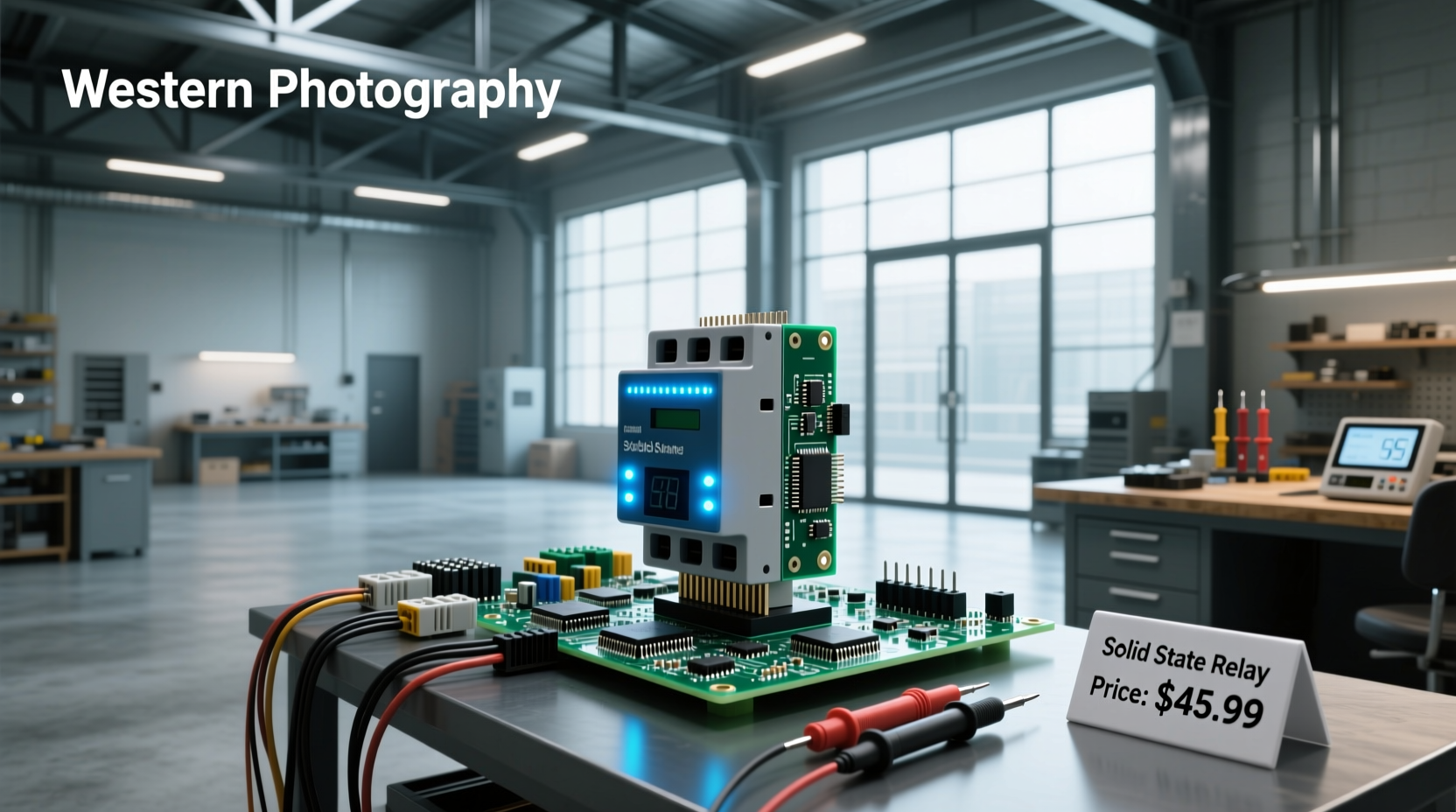
Selecting a high-performance solid state frequency converter ensures seamless power conversion, precise voltage regulation, and maximum equipment efficiency across sensitive industrial operations. Solid state frequency converters utilize semiconductor electronics to convert utility power to exact output frequencies without relying on moving mechanical parts like traditional rotary converters. This electronic conversion eliminates friction wear, reduces energy consumption, and provides instantaneous response to fluctuating power loads. Sizing and selecting the right unit protects sensitive laboratory, aviation, or manufacturing machinery from voltage spikes, electrical noise, and frequency drift.
Understanding Core Power Architecture and Topology
Evaluating the internal circuit architecture of a solid state frequency converter determines its operational reliability and output power quality. High-performance units utilize double-conversion technology, transforming incoming AC power into DC current through an insulated gate bipolar transistor (IGBT) rectifier before converting it back into clean, regulated AC output. This complete decoupling of input and output power protects downstream equipment from line noise, harmonic distortion, and utility frequency instability.
Choosing a converter with pulse-width modulation (PWM) control guarantees a clean, pure sine wave output suitable for sensitive electronic loads. Units featuring advanced digital signal processing (DSP) continuously monitor voltage and current parameters, making microscopic adjustments in microseconds. Investing in a solid state design with low total harmonic distortion (THD) prevents electrical interference with neighboring facility electronics and ensures compliance with strict international power standards.
Matching Load Capacity and Overload Defense
Calculating your exact power demands requires accounting for peak starting currents rather than relying solely on continuous running wattage. Inductive loads such as heavy electric motors, compressors, and transformer-coupled machinery generate massive current surges during initial startup cycles. Selecting a frequency converter without sufficient overload capacity leads to nuisance tripping, voltage drops, or internal component overheating during routine startup sequences.
Opting for a converter rated with a strong overload tolerance—such as 150% overload capacity for up to one minute—ensures stable operation during peak electrical stress. High-performance solid state converters include dynamic current-limiting algorithms that manage sudden load spikes smoothly without shutting down the entire line. Matching the converter’s continuous kVA rating to your total equipment load while building in a twenty percent safety headroom guarantees optimal thermal performance and extends component life.
Evaluating Thermal Management and Enclosure Durability
Protecting internal semiconductor power modules from heat buildup and environmental contamination is critical for long-term operational uptime. Solid state electronics generate localized thermal stress during continuous high-power conversion, making robust heat dissipation essential. High-tier converters feature intelligent forced-air cooling systems, heavy-duty aluminum heat sinks, or liquid-cooled power assemblies designed to maintain optimal junction temperatures.
Matching the physical enclosure rating to your operational environment prevents dust, moisture, and chemical vapors from corroding internal circuit boards. Standard IP20 enclosures function reliably inside clean, climate-controlled equipment rooms, whereas harsh industrial manufacturing floors or coastal aviation hangars demand IP54 or higher protective housings. Selecting units with conformal-coated printed circuit boards adds an essential layer of insulation against ambient humidity, airborne grease, and conductive dust.
Ensuring Seamless Automation and Safety Protections
Integrating advanced safety protocols and communication interfaces turns a standalone converter into a smart facility asset. Modern solid state power systems feature integrated diagnostic logging that tracks voltage anomalies, phase imbalances, and temperature trends before failures occur. Support for standard industrial protocols like Modbus, Ethernet/IP, or Profinet allows central control systems to adjust output settings, view live efficiency metrics, and manage power distribution remotely.
Built-in electrical protection suites safeguard both the converter and connected equipment from catastrophic electrical events. Multi-stage defenses against short circuits, overvoltage, under-voltage, phase loss, and over-temperature conditions isolate electrical faults instantly. Equipping your facility with a solid state frequency converter engineered with comprehensive protection layers ensures continuous power availability, reduces maintenance downtime, and optimizes machinery performance for years to come.
Wrapping-Up!
Selecting high-performance Visicomm Industries solid state frequency converters is a strategic investment in power quality, operational reliability, and equipment longevity. Prioritizing double-conversion topology, robust overload capacity, effective thermal management, and advanced digital controls protects your facility against costly power disruptions. Working with precise power conversion technology optimizes energy usage, lowers maintenance overhead, and ensures your critical machinery operates at peak performance continuously.
About the Author


