
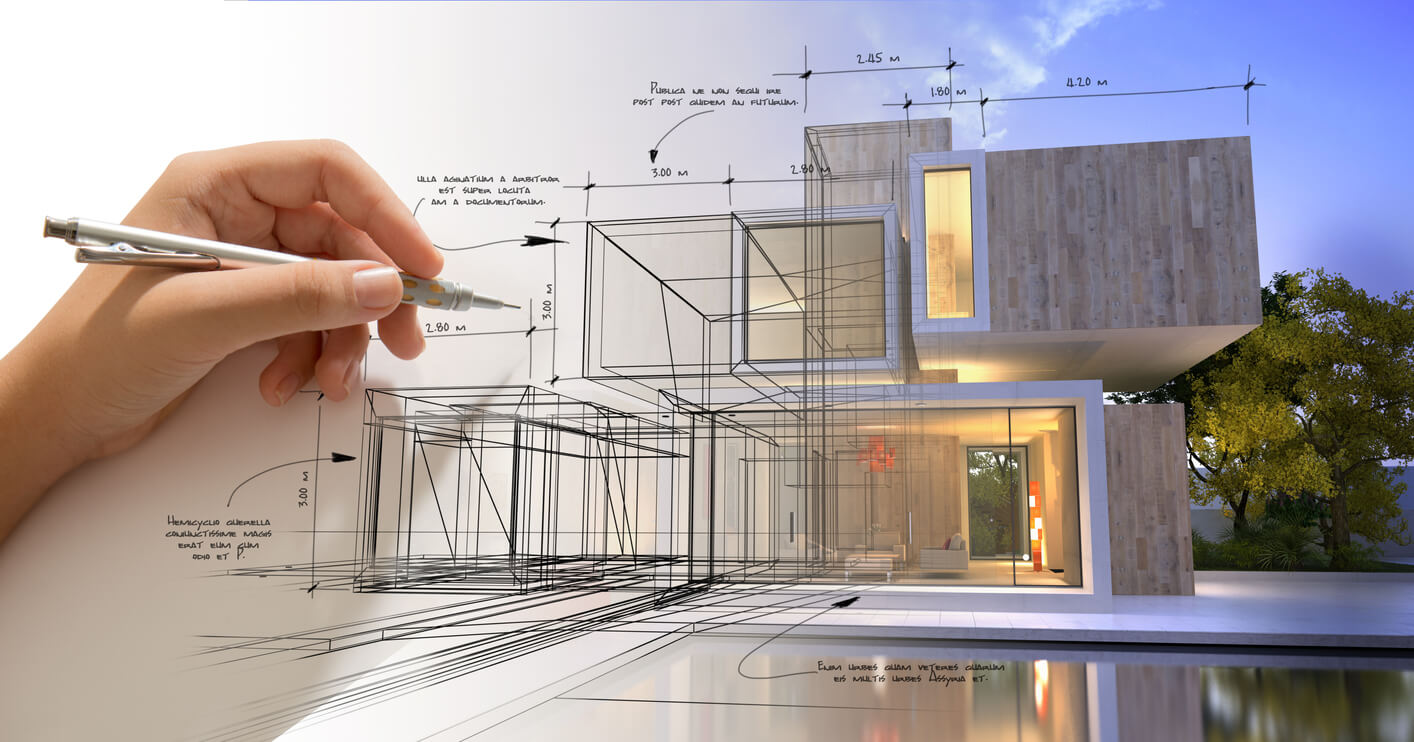
Designing your dream home has never been easier or more exciting. With the advancements in technology, create stunning home designs is now possible right from the comfort of your own computer. Whether you’re an aspiring designer or a homeowner looking to renovate, using computer software tools can revolutionize the way you approach your projects. These tools offer a host of features that streamline the process, offering you flexibility, precision, and creativity that traditional methods could never provide.
1. The Power of Computer-Aided Design (CAD)
When it comes to home design, advanced home design solutions often start with Computer-Aided Design (CAD) software. These powerful programs allow users to create highly detailed, scale-accurate floor plans and visualizations that are impossible to achieve with paper and pencil alone. Whether you’re redesigning a room, laying out a floor plan for a new build, or considering major renovations, CAD tools help transform your ideas into tangible designs.
Programs like AutoCAD and SketchUp are industry standards, offering everything from basic drafting to complex 3D modeling. With these platforms, you can create precise measurements, tweak layouts, and experiment with different configurations until you find the perfect arrangement. You’ll also have access to advanced features like layers, styles, and textures that give your designs a polished, professional look.
2. Visualize Your Vision in 3D
One of the most exciting aspects of using computer software tools for home design is the ability to visualize your space in three dimensions. With traditional methods, you often rely on 2D blueprints, which can make it difficult to envision how a space will look in real life. By contrast, 3D modeling lets you “walk through” your design before making any physical changes.
Tools like Revit or Chief Architect take your ideas to the next level, allowing you to see your project in true 3D. You can rotate your design, adjust angles, and even experiment with light and shadow to understand how your space will feel throughout the day. This not only helps you spot potential design flaws early on but also gives you the opportunity to make decisions about color, texture, and materials with confidence.
3. Streamline the Planning Process
Efficient planning with tech is one of the key benefits of using computer software for home design. These digital tools not only simplify the design phase but also help organize and streamline other aspects of the planning process. Features like automatic measurements, material estimations, and cost calculations can save you time and reduce the risk of errors.
Software like RoomSketcher or Floorplanner provides easy-to-use interfaces that let you design your space and immediately get accurate material lists, including flooring, paint, and furniture. Some even integrate with supply chain services, letting you instantly compare prices from different vendors. This helps you stick to your budget while ensuring that all the components of your design are accounted for and ready for purchase.
4. Personalize with Custom Elements
Design is all about expressing your style, and advanced home design solutions allow for an unparalleled degree of customization. With a wide variety of templates, pre-designed elements, and digital materials, you can create a space that reflects your unique preferences. From custom cabinets to bespoke furniture pieces, the possibilities are endless.
Even better, some software tools allow you to upload and integrate your own photos or sketches, so you can incorporate personal artwork, fabrics, or materials into your design. Want to see how your custom furniture looks in a new living room? Simply upload the image into your 3D model and see how it fits into your space. This makes create stunning home designs feel more like a personalized, hands-on process, even though it’s all happening digitally.
5. Collaborate and Get Feedback
Home design can often be a collaborative process, especially when working with contractors, interior designers, or family members. Thankfully, computer software tools make it easier to share your vision and get feedback, ensuring everyone is on the same page. Most software offers cloud-based solutions, meaning you can share your designs in real-time with anyone, anywhere.
For instance, programs like SketchUp and AutoCAD allow users to send links or files of their designs to others, who can then make comments, suggest changes, or simply admire your creativity. This eliminates the need for long, drawn-out meetings or back-and-forth emails, making the design phase smoother and more efficient. Plus, sharing your design virtually can help you collaborate with experts and get professional feedback before you begin construction.
6. Experiment with Materials and Color Palettes
The beauty of using computer software tools lies in the freedom to experiment without any commitment. When designing a home, choosing the right materials and color palettes can be challenging. You might wonder if that bright red wall will work with your neutral couch or if marble countertops will clash with wooden flooring. Digital tools allow you to test these choices in real time.
Whether you’re using Adobe Photoshop to manipulate images or a design platform like Design Home, you can try out various combinations of paints, wallpapers, and textures to see how they look together. The best part? You can make as many changes as you like, all without any mess or wasted time. This level of flexibility makes decision-making much easier and more enjoyable.
7. Save Time and Money in the Long Run
Designing with software isn’t just about enhancing creativity—it’s also a smart way to save time and money. With tools like AutoDesk Homestyler or Homestyler’s 3D design software, you can quickly create layouts, adjust floor plans, and make changes on the fly. These tools significantly cut down on the amount of time spent planning, especially when working with multiple drafts or edits. In turn, the faster your design is completed, the sooner you can begin making the real-world changes to your space.
Moreover, by getting a clearer idea of your design up front, you can avoid costly mistakes. Whether you decide to remodel a bathroom or build an entirely new home, having a detailed, accurate digital design reduces the chances of having to redo parts of your project or purchase materials that ultimately don’t fit.
Conclusion
Whether you’re a first-time homeowner or an experienced designer, create stunning home designs using computer software can completely transform the way you approach your home improvement projects. With the ability to visualize, plan, and personalize your space with ease, these tools are a game-changer for anyone looking to renovate, remodel, or build. From advanced home design solutions to efficient planning with tech, these resources ensure that your design process is not only more enjoyable but also more effective. Embrace the power of digital tools and take your home design to the next level.
About the Author


