
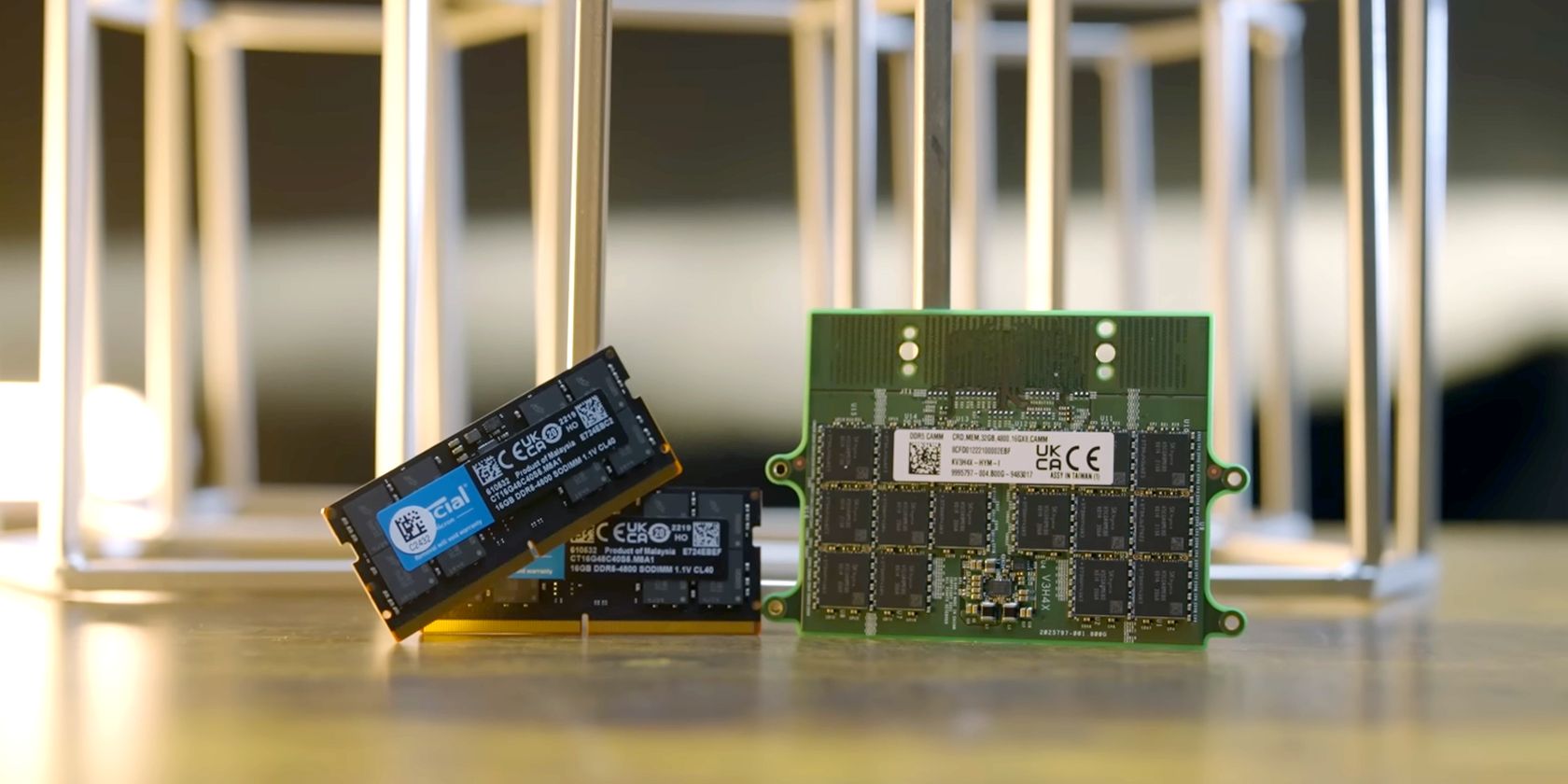
Camm Memory vs Traditional Memory: Which Is Better? in the rapidly evolving world of technology, memory innovations are emerging as key drivers of performance and efficiency. Among these advancements, Camm Memory vs. Traditional Memory is a comparison gaining considerable attention. As data needs become more colossal and computational demands skyrocket, the choice between these two memory systems has become increasingly crucial. Understanding their distinctions, advantages, and limitations can empower businesses, developers, and tech enthusiasts to make smarter decisions.
Understanding the Foundations
Before diving into which memory system holds the upper hand, it’s essential to understand their core architectures.
Traditional memory—whether DRAM (Dynamic Random-Access Memory), SRAM (Static RAM), or Flash Memory—has been the backbone of computing for decades. Traditional memory systems primarily focus on storing and quickly accessing data, with performance heavily influenced by read/write speeds, latency, and data transfer bandwidth.
In contrast, Camm Memory, or Compression-Assisted Main Memory, is a modern innovation that infuses compression technologies into the memory fabric itself. It compresses data in real time, optimizing storage capacity and improving system throughput. This hybrid approach marries the best of both worlds: enhanced performance and superior storage efficiency.
Thus, the battle of Camm Memory vs. Traditional Memory sets the stage for an exhilarating technological showdown.
Efficiency: A Game-Changing Differentiator
Efficiency is where Camm Memory truly dazzles.
By incorporating data compression techniques, Camm Memory significantly reduces the amount of space needed to store information. Instead of duplicating efforts to expand physical storage capacity, systems using Camm Memory can simply store more data within the same physical footprint. This compression capability directly translates to lower energy consumption, less thermal output, and ultimately, reduced operational costs.
Traditional memory, while highly reliable, tends to require more physical resources as data needs increase. Scaling a traditional memory system to meet higher storage demands often involves more servers, higher electricity usage, and amplified cooling requirements—elements that inflate costs and environmental impact.
The efficiency crown in the debate of Camm Memory vs. Traditional Memory undoubtedly leans towards Camm Memory.
Performance: Speed and Responsiveness
When evaluating performance, it’s important to recognize the subtleties of memory access patterns, bandwidth, and latency.
Traditional memory technologies like DDR5 RAM have been optimized for blistering speeds. They offer low-latency access to data and fast refresh rates, making them indispensable for tasks demanding real-time responsiveness, such as gaming, high-frequency trading, and graphic rendering.
However, Camm Memory, with its real-time compression and decompression capabilities, introduces an intriguing twist. Compression algorithms reduce the actual volume of data that needs to travel across buses and through memory channels. Less data in motion means faster access times overall, especially for massive datasets. Systems utilizing Camm Memory often experience fewer bottlenecks during high-demand operations compared to traditional memory configurations.
Thus, in the Camm Memory vs. Traditional Memory performance tug-of-war, the winner depends heavily on the specific application. Traditional memory excels in ultra-low-latency, high-speed tasks; Camm Memory shines in high-volume, data-intensive environments.
Scalability: Preparing for Tomorrow’s Demands
Scalability is a defining factor in modern infrastructure planning. The ability to easily scale memory systems determines how effectively an organization can respond to growing data volumes.
Traditional memory scaling is straightforward but resource-intensive. Adding more memory typically involves physical hardware upgrades, which can be costly, time-consuming, and space-hungry.
Camm Memory offers a more elegant solution. By compressing data, it allows systems to “scale” their effective memory capacity without necessitating massive hardware expansions. This dynamic scaling approach is particularly advantageous for data centers, cloud services, and AI applications, where exponential data growth is the norm rather than the exception.
Looking at Camm Memory vs. Traditional Memory from a scalability lens, Camm Memory provides a clear strategic advantage for future-proofing systems.
Cost-Effectiveness: Dollars and Sense
Cost remains a decisive factor in any technological decision.
Traditional memory solutions are currently more widely available and thus benefit from economies of scale. Initial acquisition costs are often lower compared to emerging technologies like Camm Memory.
However, when considering the total cost of ownership (TCO)—including maintenance, energy consumption, and cooling—Camm Memory often emerges as the more cost-effective choice over time. Its ability to compress data reduces infrastructure needs, cuts down on power usage, and diminishes cooling expenses.
For organizations calculating not just upfront costs but long-term value, the Camm Memory vs. Traditional Memory debate swings in favor of Camm Memory.
Environmental Impact: Greening the Tech World
In today’s climate-conscious world, the environmental implications of technology choices are under the microscope.
Traditional memory systems, with their heavy reliance on physical expansion and significant energy requirements, contribute substantially to the carbon footprint of data centers and enterprise infrastructures.
Camm Memory, by enabling greater data storage within smaller physical confines and minimizing energy use, represents a greener alternative. By adopting Camm Memory, organizations can significantly lower their environmental impact without sacrificing performance.
In the environmentally focused dimension of Camm Memory vs. Traditional Memory, Camm Memory plants itself firmly on the side of sustainability.
Use Cases: Which Memory for Which Scenario?
Choosing between Camm Memory and Traditional Memory isn’t about finding a universal winner—it’s about aligning memory capabilities with specific use cases.
- Gaming and Graphics Processing: Traditional memory still holds an edge due to its ultra-low latency and ultra-high-speed capabilities.
- Big Data Analytics: Camm Memory excels with its superior data handling and compression capabilities.
- AI and Machine Learning: Camm Memory offers better scalability for large datasets critical to AI model training and inference.
- Real-time Systems: Traditional memory provides the responsiveness necessary for systems that require microsecond precision.
- Cloud Services and Data Centers: Camm Memory dramatically reduces operational costs and improves storage efficiency.
Thus, when analyzing Camm Memory vs. Traditional Memory, context reigns supreme.
Technological Challenges and Innovations
No technology is without its hurdles.
For Camm Memory, real-time compression introduces computational overhead. Sophisticated compression algorithms must operate swiftly enough to ensure that system responsiveness isn’t compromised. This requires highly efficient hardware-software integration and advanced memory controllers.
Traditional memory, while mature, faces physical limitations. As we approach the boundaries of Moore’s Law, packing more performance into smaller memory chips without escalating heat output and energy consumption is becoming increasingly challenging.
The race between Camm Memory vs. Traditional Memory is therefore not just about advantages but about overcoming respective technological obstacles.
Market Trends and Adoption Rates
Market analysts predict an exciting future for Camm Memory. As more organizations recognize its benefits, adoption rates are soaring, especially in sectors like hyperscale data centers, AI-driven enterprises, and cloud infrastructure providers.
Traditional memory isn’t going away any time soon, however. Its entrenchment in consumer electronics, enterprise servers, and specialized applications ensures its continued relevance.
Still, the momentum behind Camm Memory signals a paradigm shift. Industry giants are investing heavily in Camm Memory R&D, anticipating that it will become a foundational technology for next-generation computing.
In terms of Camm Memory vs. Traditional Memory, market dynamics suggest a future where both coexist, but Camm Memory steadily gains dominance in data-heavy applications.
Future Outlook: A New Memory Era
Looking ahead, the memory landscape will likely be a hybrid ecosystem. Traditional memory will continue to serve applications requiring raw speed and simplicity. Meanwhile, Camm Memory will take center stage in data-rich, performance-intensive environments where efficiency, scalability, and sustainability are paramount.
Technological convergence may also occur. Future memory solutions might blend the speed of traditional memory with the compression prowess of Camm Memory, creating hybrid models that deliver the best of both worlds.
The exciting journey of Camm Memory vs. Traditional Memory is only just beginning. As compression algorithms improve, hardware accelerates, and software ecosystems adapt, the advantages of Camm Memory are poised to become even more pronounced.
The showdown of Camm Memory vs. Traditional Memory is not a battle for absolute supremacy but a vibrant exploration of which technology best meets specific needs. Camm Memory, with its remarkable efficiency, scalability, cost-effectiveness, and environmental benefits, offers a compelling choice for the data-centric future.
Traditional memory, revered for its unmatched speed and simplicity, retains its place in critical real-time applications and performance-driven industries.
Ultimately, the best choice hinges on the specific demands of each application. But one thing is clear—Camm Memory is not just a fleeting innovation; it is an enduring leap forward in the evolution of memory technologies.
In a world where data is the new oil, selecting the right memory solution can propel organizations into the future. And in this exhilarating era of technological breakthroughs, Camm Memory stands ready to redefine the boundaries of what’s possible.
About the Author


